
Description
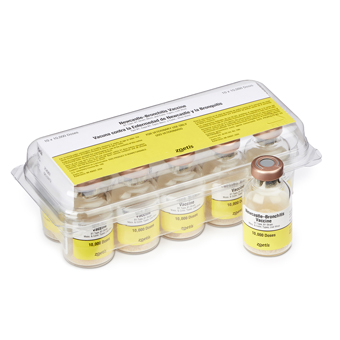
Newcastle B1 + Bronchitis Mass-Conn is a multivalent live virus vaccine used to protect chickens against Newcastle Disease and Infectious Bronchitis.
The vaccine contains the B1 strain of Newcastle disease virus and the Massachusetts and Connecticut serotypes of Infectious Bronchitis virus.
In Uganda’s poultry industry—where respiratory diseases can quickly spread in both commercial farms and smallholder systems—this combined vaccine helps farmers protect flocks against two major viral respiratory diseases at the same time, reducing mortality and improving productivity.
Purpose
The vaccine helps stimulate immunity against:
-
Newcastle Disease (ND) – a highly contagious viral disease that can cause severe respiratory signs, nervous disorders, and high flock mortality.
-
Infectious Bronchitis (IB) – a viral respiratory disease that affects the airways and reproductive system, often leading to poor growth in broilers and reduced egg production in layers.
Using a combined vaccine simplifies vaccination programs by providing protection against both diseases in a single application.
Target Birds
This vaccine is intended for healthy chickens including:
-
Broilers
-
Layers
-
Breeder flocks
Vaccination can begin from one day of age or from about two weeks old, depending on the farm’s vaccination schedule and disease risk.
Administration Methods
The vaccine can be administered using several mass vaccination techniques:
1. Drinking Water
The most common method for large flocks. The vaccine is diluted in clean, chlorine-free drinking water and distributed so all birds consume it.
2. Spray Vaccination
Often used in hatcheries or large poultry houses, where the vaccine is sprayed as fine droplets over the birds.
3. Eye Drop (Intraocular)
A drop of vaccine is placed in the bird’s eye. This method ensures each bird receives a precise dose and is sometimes used for smaller or high-value flocks.
In Uganda, drinking water vaccination is widely used by poultry farmers due to its convenience and low labor requirements.
Vaccine Composition
The vaccine contains:
-
Live Newcastle disease virus – B1 type, B1 strain
-
Live Infectious Bronchitis virus – Massachusetts and Connecticut serotypes
-
Gentamicin – included as a preservative
It is supplied as a freeze-dried (lyophilized) vaccine that must be reconstituted before use.
Storage Requirements
To maintain vaccine potency:
-
Store in a refrigerator at 2°C to 8°C.
-
Do not freeze the vaccine.
-
Protect from direct sunlight and heat.
-
Maintain the cold chain from the supplier to the farm.
Cold storage is especially important in tropical climates like Uganda.
Handling During Vaccination
When using the drinking water method:
-
Ensure birds consume all vaccine-treated water within a short period.
-
Use clean, chlorine-free water.
-
Avoid using disinfectants or sanitizers in water systems for at least 24 hours after vaccination, as they can destroy the live virus.
Withdrawal Period
Birds should not be vaccinated within 21 days before slaughter to comply with food safety guidelines.
Safety Precautions
-
The vaccine contains live virus, so it must be handled carefully.
-
Eye protection is recommended when preparing or spraying the vaccine because it may cause irritation.
-
Avoid inhaling spray droplets during application.
-
Dispose of unused vaccine and empty vials according to veterinary guidelines.
Packaging
The vaccine is typically supplied in vials containing freeze-dried doses, commonly packaged as:
-
10 vials × 10,000 doses each
This packaging is suitable for medium and large poultry operations.
Importance for Ugandan Poultry Farmers
Respiratory diseases remain one of the leading causes of economic losses in Uganda’s poultry sector. Vaccines like Newcastle B1 + Bronchitis Mass-Conn help farmers:
-
Prevent respiratory disease outbreaks
-
Reduce flock mortality
-
Maintain consistent egg production in layers
-
Improve growth performance in broilers
When combined with good biosecurity, proper ventilation, and regular veterinary guidance, vaccination helps ensure sustainable and profitable poultry farming in Uganda. 🐔

Reviews
There are no reviews yet.