
Description
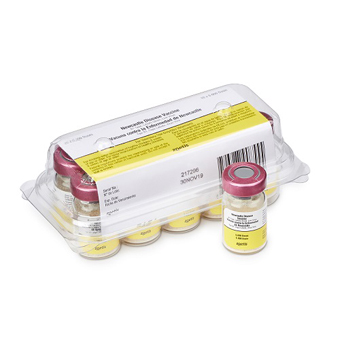
Newcastle LaSota Modified Live Freeze Disease Vaccine (LaSota Strain)
The LaSota strain Newcastle Disease vaccine is a live virus vaccine widely used to protect chickens and sometimes turkeys against Newcastle Disease (ND). Newcastle disease is one of the most serious viral diseases affecting poultry in Uganda and across East Africa, often causing high mortality and severe economic losses if flocks are not vaccinated.
Because the disease spreads quickly through contact, contaminated equipment, and wild birds, routine vaccination using the LaSota vaccine is a key component of poultry health management for both commercial farms and smallholder poultry keepers.
Purpose
The vaccine is used for the active immunization of healthy poultry to prevent Newcastle Disease, a highly contagious viral infection that can cause:
-
Sudden high mortality in flocks
-
Respiratory distress (gasping, coughing)
-
Nervous signs such as twisted necks and paralysis
-
Severe drops in egg production in laying birds
In Uganda, where poultry density is increasing and biosecurity can be challenging, regular vaccination against Newcastle disease is considered essential for protecting flock productivity and farmer livelihoods.
Target Birds
The LaSota vaccine is recommended for:
-
Broiler chickens
-
Layer chickens
-
Breeder flocks
-
Occasionally turkeys
Birds should be healthy and at least 2 weeks (14 days) old before receiving this vaccine.
Administration Methods
The vaccine can be administered in several ways, depending on flock size and management practices.
1. Drinking Water Method (Most Common)
This is the most practical method for large flocks and commercial farms. The vaccine is diluted in clean, chlorine-free drinking water and distributed to birds so they ingest it.
2. Eye Drop Method (Intraocular)
A drop of vaccine is placed in the bird’s eye. This method ensures each bird receives the correct dose and is often used for small flocks or valuable breeder birds.
3. Nose Drop Method (Intranasal)
A drop is placed in the nostril of the bird, allowing the vaccine to enter the respiratory tract.
In Uganda, drinking water vaccination is widely used by both commercial farms and village poultry farmers due to its simplicity and speed.
Vaccination Schedule
-
First vaccination typically occurs at 2 weeks of age or later.
-
Because immunity from live vaccines does not last indefinitely, revaccination is necessary.
Depending on disease risk and farm management practices, revaccination may be done:
-
Every 4–6 weeks in high-risk areas
-
Every 3–4 months in lower-risk environments
Veterinary officers or poultry extension workers often advise on the most appropriate schedule for a given region.
Storage Requirements
Maintaining the vaccine’s effectiveness requires proper handling:
-
Store at 2°C to 8°C in a refrigerator.
-
Protect from heat and direct sunlight, which can quickly destroy the live virus.
-
Maintain a reliable cold chain during transportation from veterinary suppliers to farms.
Cold chain management is particularly important in Uganda due to high ambient temperatures.
Handling and Preparation
Since the vaccine contains a live virus, careful handling is required:
-
Use clean, chlorine-free water when preparing the drinking water solution.
-
Avoid exposure to sunlight or high temperatures during preparation.
-
Use the vaccine immediately after mixing.
-
Do not mix with other medications or vaccines unless instructed by the manufacturer.
Important Precautions
Farmers and poultry handlers should observe the following guidelines:
-
Do not vaccinate birds within 21 days before slaughter.
-
Do not vaccinate sick or stressed birds, as this may reduce vaccine effectiveness.
-
Properly dispose of unused vaccine and empty containers, as the product contains live virus.
-
In case of accidental human exposure, seek medical advice.
Importance for Ugandan Poultry Farmers
Newcastle disease outbreaks can wipe out entire flocks within days. Regular vaccination with the LaSota vaccine helps farmers:
-
Prevent sudden flock mortality
-
Maintain stable egg production
-
Protect investments in feed and housing
-
Improve the overall sustainability of poultry enterprises
When combined with good farm hygiene, biosecurity, and proper nutrition, vaccination against Newcastle disease is one of the most effective ways to ensure healthy and productive poultry farming in Uganda. 🐔
Reviews
There are no reviews yet.