
Description
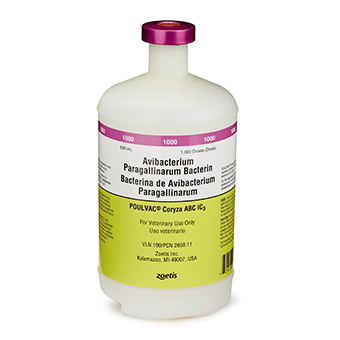
Poulvac® Coryza ABC IC3 is an inactivated (killed) bacterial vaccine produced by Zoetis to protect chickens against Infectious Coryza, a contagious respiratory disease caused by Avibacterium paragallinarum.
In Uganda’s poultry sector, infectious coryza can spread quickly in both commercial and backyard flocks, leading to severe respiratory symptoms, facial swelling, reduced feed intake, and significant drops in egg production. Vaccination with Poulvac® Coryza ABC IC3 helps farmers control this disease and maintain flock productivity.
Purpose
The vaccine provides protection against the three main serovars (strains) of the infectious coryza bacteria:
-
Serovar A
-
Serovar B
-
Serovar C
Vaccination helps to:
-
Reduce respiratory disease outbreaks
-
Minimize facial swelling and nasal discharge in infected birds
-
Prevent drops in egg production in layer flocks
-
Improve overall flock health and performance
Because infectious coryza spreads easily through direct contact, contaminated equipment, and farm visitors, vaccination is an important preventive measure for poultry farms.
Target Birds
Poulvac® Coryza ABC IC3 is recommended for:
-
Chickens
-
Layers
-
Breeder flocks
Birds should be healthy and at least 8 weeks of age or older before receiving the vaccine.
Dosage and Administration
The vaccine is administered by injection.
-
Dose: 0.5 mL per bird
-
Injection Methods:
-
Subcutaneous injection (under the skin at the base of the neck)
-
Intramuscular injection
-
Using sterile needles and proper handling helps prevent contamination and ensures effective vaccination.
Vaccination Schedule
For effective protection, a two-dose primary vaccination program is recommended:
-
First Dose:
-
Administer to healthy birds from 8 weeks of age or older.
-
-
Second Dose (Booster):
-
Administer 3–4 weeks after the first vaccination.
-
The booster vaccination should ideally be completed at least 4 weeks before the onset of egg laying to allow sufficient time for immunity to develop.
Storage Requirements
To maintain vaccine potency:
-
Store in a refrigerator at 2°C to 7°C.
-
Keep the vaccine protected from light.
-
Do not freeze the vaccine, as freezing can damage the formulation.
Maintaining the cold chain is particularly important in Uganda’s warm climate.
Vaccine Composition and Safety
Poulvac® Coryza ABC IC3 is an inactivated vaccine, meaning the bacteria are killed and cannot cause disease. The vaccine often contains an oil-based adjuvant, which helps stimulate a stronger and longer-lasting immune response.
Some formulations may contain trace amounts of mercury-based preservatives, so care should be taken to avoid environmental contamination when disposing of unused vaccine or packaging.
Packaging
The vaccine is typically supplied as:
-
1 pack containing 1,000 doses
This packaging is suitable for medium to large poultry farms.
Use in Integrated Disease Control
Poulvac® Coryza ABC IC3 may be used alongside other poultry vaccines in a broader disease prevention program. In some vaccination schedules, it is used in combination with vaccines that protect against:
-
Newcastle Disease
-
Infectious Bronchitis
-
Egg Drop Syndrome
This integrated vaccination strategy helps farmers control multiple diseases that affect poultry productivity.
Precautions
Farmers and poultry handlers should observe the following guidelines:
-
Vaccinate only healthy birds.
-
Use clean and sterile vaccination equipment.
-
Shake the vaccine gently before use to ensure proper mixing.
-
Dispose of unused vaccine and empty containers responsibly.
-
Follow manufacturer instructions and consult a qualified veterinarian or poultry extension officer when designing a vaccination schedule.
Importance for Ugandan Poultry Farmers
Infectious coryza outbreaks can lead to severe economic losses, especially in layer farms where egg production is critical. Vaccination with Poulvac® Coryza ABC IC3 helps farmers:
-
Prevent respiratory disease outbreaks
-
Maintain stable egg production
-
Improve flock health and productivity
-
Protect investments in feed, housing, and management
Combined with good farm hygiene, biosecurity, and proper flock management, vaccination is essential for sustainable and profitable poultry farming in Uganda. 🐔

Reviews
There are no reviews yet.