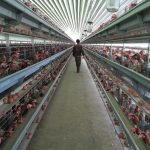
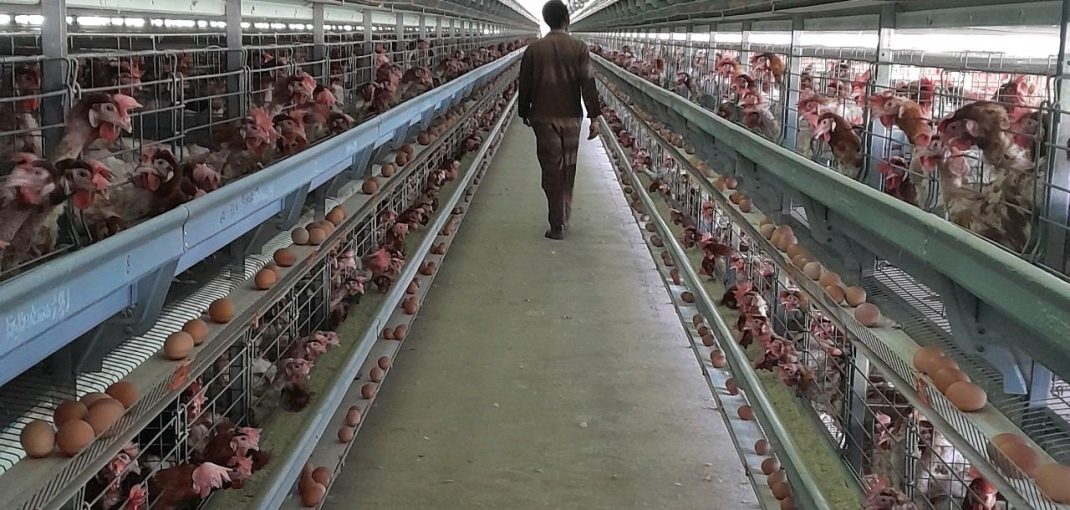
For poultry farmers across Uganda, feed remains the single largest production expense. Whether you are raising broilers for meat or layers for egg production, feed can account for between 60% and 70% of total farm costs. As prices of maize, soybean meal, and other feed ingredients continue to fluctuate, many farmers are searching for ways to reduce expenses while maintaining bird health and productivity.
Unfortunately, one of the most common mistakes farmers make is attempting to cut costs by purchasing cheaper, lower-quality feeds. While this may appear to save money in the short term, it often leads to slower growth, poor egg production, increased disease susceptibility, and ultimately lower profits.
The key to profitable poultry farming is not simply spending less on feed—it is ensuring that every kilogram of feed delivers maximum value.
Understanding the True Cost of Poultry Feed
Many farmers focus only on the purchase price of feed. However, the true measure of feed efficiency is how effectively birds convert feed into meat or eggs.
For example, a cheaper feed may seem attractive at purchase, but if birds consume more of it while growing slowly or producing fewer eggs, the actual cost of production becomes much higher.
Quality feed supports:
- Faster growth rates
- Better feed conversion efficiency
- Higher egg production
- Stronger immunity
- Improved bird welfare
- Lower mortality rates
In poultry farming, productivity is often determined by nutrition long before it is determined by market prices.
Why Quality Feed Matters
Poultry require carefully balanced diets containing the right proportions of:
Protein
Protein is essential for growth, muscle development, feather formation, and egg production.
A deficiency in protein can result in:
- Poor growth
- Reduced egg production
- Weak birds
- Lower market weights
Energy
Energy fuels every activity within the bird’s body, from movement to growth and reproduction.
Energy sources typically include:
- Maize
- Wheat products
- Other cereal grains
Insufficient energy reduces productivity and increases feed conversion ratios.
Vitamins and Minerals
Vitamins and minerals support:
- Bone development
- Eggshell formation
- Immune function
- Reproductive performance
Without adequate micronutrients, birds become more susceptible to disease and production losses.
The Hidden Cost of Poor-Quality Feed
Low-quality feed often contains inconsistent nutrient levels, poor ingredient quality, or inadequate formulation.
This can lead to:
- Slow broiler growth
- Delayed market readiness
- Reduced egg numbers
- Poor shell quality
- Increased feed consumption
- Higher disease incidence
What appears to be a saving on the feed invoice often becomes a significant loss in overall farm profitability.
Choosing the Right Feed for Your Birds
Different stages of poultry production require different nutritional formulations.
Chick Starter Feed
Young chicks require nutrient-dense feed to support rapid growth and immune system development.
Grower Feed
Grower feed supports steady development while preparing birds for their production phase.
Layer Feed
Layers require specialised nutrition rich in calcium and other nutrients necessary for egg production and shell quality.
Broiler Finisher Feed
Broiler finishers are designed to maximise weight gain efficiently before market.
Using the correct feed at the correct stage ensures birds achieve their genetic potential.
Why Many Successful Farmers Choose Comfort Feed
When selecting poultry feed, consistency and quality are critical. Farmers need a feed they can trust to deliver reliable performance throughout the production cycle.
Comfort Feed by Agrivetis has earned a strong reputation among poultry farmers in Uganda for providing balanced nutrition designed to support healthy growth, efficient feed conversion, and optimal production performance.
Comfort Feed is formulated to meet the nutritional requirements of poultry at different growth stages, helping farmers achieve:
- Improved growth rates
- Better feed utilisation
- Enhanced bird health
- Strong egg production
- Consistent flock performance
For farmers seeking to maximise returns on investment, feeding quality products such as Comfort Feed can make a significant difference in overall productivity and profitability.
Feed Management Tips That Save Money
Reducing feed costs is not only about choosing the right feed. Proper feed management can significantly improve efficiency and reduce wastage.
Prevent Feed Spillage
Feed wastage is one of the most common hidden costs on poultry farms.
To minimise losses:
- Adjust feeder height correctly
- Avoid overfilling feeders
- Use quality feeding equipment
- Repair damaged feeders promptly
Even small daily losses can accumulate into substantial financial costs over a production cycle.
Store Feed Properly
Poor storage can lead to mould growth, spoilage, and nutrient loss.
Best practices include:
- Keeping feed in a dry location
- Protecting feed from rodents
- Using pallets to keep bags off the floor
- Rotating stock to use older feed first
Avoid Sudden Feed Changes
Abrupt feed changes can stress birds and reduce feed intake.
Whenever possible, transition gradually between feed types over several days.
Water: The Most Overlooked Nutrient
Many farmers focus heavily on feed while overlooking water quality.
Birds require constant access to clean, fresh water for:
- Digestion
- Temperature regulation
- Nutrient absorption
- Egg production
Poor water quality can reduce feed intake and increase disease risks.
Simple steps such as cleaning drinkers daily and ensuring uninterrupted water supply can significantly improve flock performance.
Healthy Birds Use Feed More Efficiently
Disease is one of the biggest factors affecting feed efficiency.
When birds are sick:
- Appetite declines
- Growth slows
- Feed conversion worsens
- Mortality increases
Investing in preventive healthcare often results in significant feed savings.
Vaccination Matters
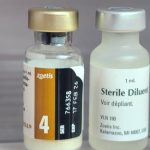
A proper vaccination programme protects birds from diseases that reduce productivity and increase feed costs.
Common poultry vaccinations help prevent:
- Newcastle Disease
- Gumboro Disease
- Fowl Pox
- Infectious Bronchitis
Healthy birds convert feed into production more efficiently than unhealthy birds.
The Importance of Veterinary Support
Successful poultry production combines quality nutrition with professional animal health management.
Regular veterinary support helps farmers:
- Prevent disease outbreaks
- Improve flock performance
- Identify nutritional deficiencies
- Develop vaccination schedules
- Enhance overall productivity
Veterinary professionals can also help farmers diagnose issues that may be affecting feed efficiency and profitability.
How Vet Centre Supports Poultry Farmers
At Vet Centre, we understand that profitable poultry farming depends on both quality nutrition and excellent animal health.
We support farmers through:
- Professional veterinary consultations
- Poultry vaccination programmes
- Disease prevention and control services
- Nutritional guidance
- Quality veterinary medicines and supplements
- Farm management advice
We also encourage farmers to invest in trusted nutritional solutions such as Comfort Feed by Agrivetis, which helps support healthy growth and productive performance throughout the poultry production cycle.
Conclusion
Reducing poultry feed costs does not mean sacrificing bird performance. In fact, the most profitable poultry farms focus on improving feed efficiency rather than simply purchasing the cheapest feed available.
By investing in quality nutrition, adopting proper feed management practices, maintaining good biosecurity, and working closely with veterinary professionals, farmers can achieve healthier birds, better productivity, and stronger financial returns.
A combination of quality feed such as Comfort Feed by Agrivetis and professional animal health support from Vet Centre provides a strong foundation for successful and sustainable poultry farming in Uganda.