Climate Change and Livestock Health in Uganda: What Every Farmer Needs to Know
Climate change is no longer a future concern, it is a present reality affecting livestock and poultry farmers across Uganda. From prolonged droughts and unpredictable rainfall to rising temperatures and increased disease outbreaks, changing weather patterns are transforming how animals are raised, managed, and protected.
For Uganda’s livestock sector, which supports millions of households through dairy farming, beef production, poultry keeping, piggery, and goat rearing, climate change presents one of the greatest challenges of the 21st century. However, with proper veterinary support, preventive healthcare, and climate-smart farming practices, farmers can reduce risks and maintain productive, healthy animals.
Understanding Climate Change and Its Impact on Livestock
Climate change refers to long-term shifts in weather patterns, including increases in average temperatures, changes in rainfall distribution, and a rise in extreme weather events.
In Uganda, farmers are increasingly experiencing:
- Longer dry seasons
- More frequent droughts
- Unpredictable rainfall
- Increased flooding in some regions
- Higher daytime temperatures
- Changes in pasture growth patterns
These environmental changes directly affect animal health, productivity, and farm profitability.
How Rising Temperatures Affect Livestock and Poultry
One of the most visible effects of climate change is increasing heat stress among farm animals.
Heat Stress in Cattle
Cattle perform best within a comfortable temperature range. When temperatures rise beyond this range, animals struggle to regulate their body temperature.
Common signs of heat stress in cattle include:
- Reduced feed intake
- Increased water consumption
- Excessive panting
- Reduced milk production
- Lower fertility rates
- Weight loss
- Increased susceptibility to disease
For dairy farmers, heat stress can significantly reduce milk yields, leading to lower household income and reduced profitability.
Heat Stress in Poultry
Poultry are particularly vulnerable to high temperatures because they cannot sweat.
When birds experience excessive heat, farmers may observe:
- Reduced feed consumption
- Slower growth rates
- Lower egg production
- Poor egg quality
- Increased mortality
- Weak immune responses
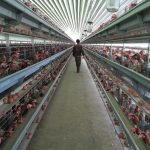
Commercial poultry farms across Uganda are increasingly investing in improved ventilation, cooling systems, and better housing designs to reduce heat-related losses.
Climate Change and the Spread of Livestock Diseases
Another major concern is the changing pattern of animal diseases.
Warmer temperatures and changing rainfall conditions create favourable environments for disease-causing organisms and their vectors. As a result, veterinary professionals are observing shifts in disease occurrence, frequency, and distribution.
Tick-Borne Diseases
Ticks thrive under certain climatic conditions and remain one of the biggest threats to cattle production in Uganda.
Common tick-borne diseases include:
- East Coast Fever (ECF)
- Anaplasmosis
- Babesiosis
- Heartwater
Changes in temperature and vegetation patterns can increase tick populations and expand their geographical distribution, exposing more animals to infection.
Foot and Mouth Disease (FMD)
Foot and Mouth Disease continues to be one of the most economically damaging livestock diseases in Uganda.
Climate-related stress, increased animal movement in search of water and pasture, and changing environmental conditions can contribute to disease transmission.
The impacts of FMD include:
- Reduced milk production
- Weight loss
- Trade restrictions
- Reduced market value of animals
- Significant economic losses for farmers
Newcastle Disease in Poultry
Newcastle Disease remains one of the leading causes of poultry losses among smallholder farmers.
Environmental stress caused by extreme weather conditions weakens birds’ immune systems, making them more vulnerable to infection.
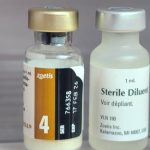
Vaccination remains the most effective tool for controlling Newcastle Disease and protecting poultry investments.
Feed Shortages and Nutritional Challenges
Climate change affects not only animal health directly but also the availability and quality of feed resources.
Declining Pasture Availability
Extended drought periods often lead to:
- Reduced pasture growth
- Lower forage quality
- Overgrazing
- Increased feed costs
Pastoral and agro-pastoral communities are particularly vulnerable because livestock depend heavily on natural grazing systems.
Reduced Nutritional Value
Even when forage is available, climate stress can reduce its nutritional quality. Poor nutrition weakens the immune system and reduces animal productivity.
Consequences of poor nutrition include:
- Slow growth rates
- Reduced milk production
- Poor reproductive performance
- Increased disease susceptibility
- Higher mortality rates among young animals
Water Scarcity and Animal Health
Access to clean water is essential for livestock productivity.
During prolonged dry seasons, farmers often face:
- Reduced water availability
- Poor water quality
- Competition for water resources
- Increased disease transmission around shared watering points
Dehydration affects:
- Milk production
- Growth performance
- Feed conversion efficiency
- Reproductive health
Providing adequate clean water is one of the most important climate adaptation strategies for livestock farmers.
Climate-Smart Solutions for Ugandan Farmers
While climate change presents serious challenges, there are practical measures farmers can take to protect their animals and maintain productivity.
Strengthen Vaccination Programs
Preventive vaccination is more important than ever in a changing climate.
Farmers should work closely with veterinary professionals to establish vaccination schedules that protect animals against major diseases.
Vaccination helps:
- Prevent disease outbreaks
- Reduce mortality
- Improve productivity
- Lower treatment costs
Improve Biosecurity
Good biosecurity practices reduce the risk of disease introduction and spread.
Key measures include:
- Restricting unnecessary animal movement
- Isolating sick animals
- Maintaining clean housing
- Controlling visitors and equipment access
- Practicing proper waste management
Invest in Better Housing
Animal housing should protect livestock from extreme weather conditions.
Recommended improvements include:
- Adequate ventilation
- Shade structures
- Proper drainage
- Heat-reducing roofing materials
- Clean and comfortable resting areas
Adopt Strategic Feeding Practices
Farmers should prepare for dry seasons by:
- Conserving hay and silage
- Planting drought-tolerant fodder crops
- Using supplementary feeds
- Improving pasture management
These measures help ensure consistent nutrition throughout the year.
Ensure Reliable Water Access
Water harvesting and storage systems can help farmers maintain adequate water supplies during drought periods.
Options include:
- Water tanks
- Farm reservoirs
- Rainwater harvesting systems
- Boreholes where feasible
The Critical Role of Veterinary Services
As climate-related challenges increase, veterinary services are becoming more important than ever.
Professional veterinary support helps farmers:
- Detect diseases early
- Implement effective vaccination programs
- Improve herd health management
- Access quality veterinary medicines
- Receive expert advice on climate-smart livestock production
Regular veterinary consultations can prevent costly outbreaks and improve long-term farm performance.
How Vet Centre Supports Climate-Resilient Farming
At Vet Centre, we understand the evolving challenges facing Uganda’s livestock and poultry farmers. Our commitment is to help farmers protect animal health through quality veterinary products, professional advisory services, disease prevention programs, and farmer education.
Whether you are managing a dairy farm, poultry enterprise, piggery, goat project, or mixed farm operation, investing in preventive healthcare and climate-smart animal management is essential for long-term success.
Conclusion
Climate change is reshaping livestock and poultry production across Uganda. Rising temperatures, disease pressures, feed shortages, and water scarcity are creating new challenges for farmers of all scales.
However, these challenges can be managed through proactive veterinary care, effective vaccination programs, proper nutrition, improved housing, and climate-smart farming practices.
The future of livestock farming in Uganda will belong to farmers who prioritize animal health, embrace innovation, and work closely with trusted veterinary professionals. By acting today, farmers can build resilient farms capable of thriving despite changing environmental conditions.